Supplement Timing Guide 2026 — Backed by Science
Learn which supplement timing rules genuinely affect absorption — fat-soluble vitamins, mineral conflicts, and what disrupts sleep. A practical, evidence-based guide.
- Fat-soluble vitamins (D, K, E, A) absorb up to 50% better with a fat-containing meal
- Calcium blocks iron absorption by 50–60% — separate by at least 2 hours
- Put calming supplements (magnesium, L-theanine, glycine) before bed
- Consistency matters more than perfect timing — a supplement taken at the "wrong" time still works
Supplement timing matters only in a few specific cases: fat-soluble vitamins (D, E, K, A) need dietary fat for absorption, iron and zinc compete for the same uptake pathways and should be separated, and stimulating supplements like B-complex can disrupt sleep if taken late. Beyond these interactions, consistency matters far more than clock precision.
A supplement taken at the “wrong” time still works. A supplement you skip because the timing felt complicated does nothing.
The Rules That Actually Matter
Rule 1: Fat-Soluble Vitamins Need Fat
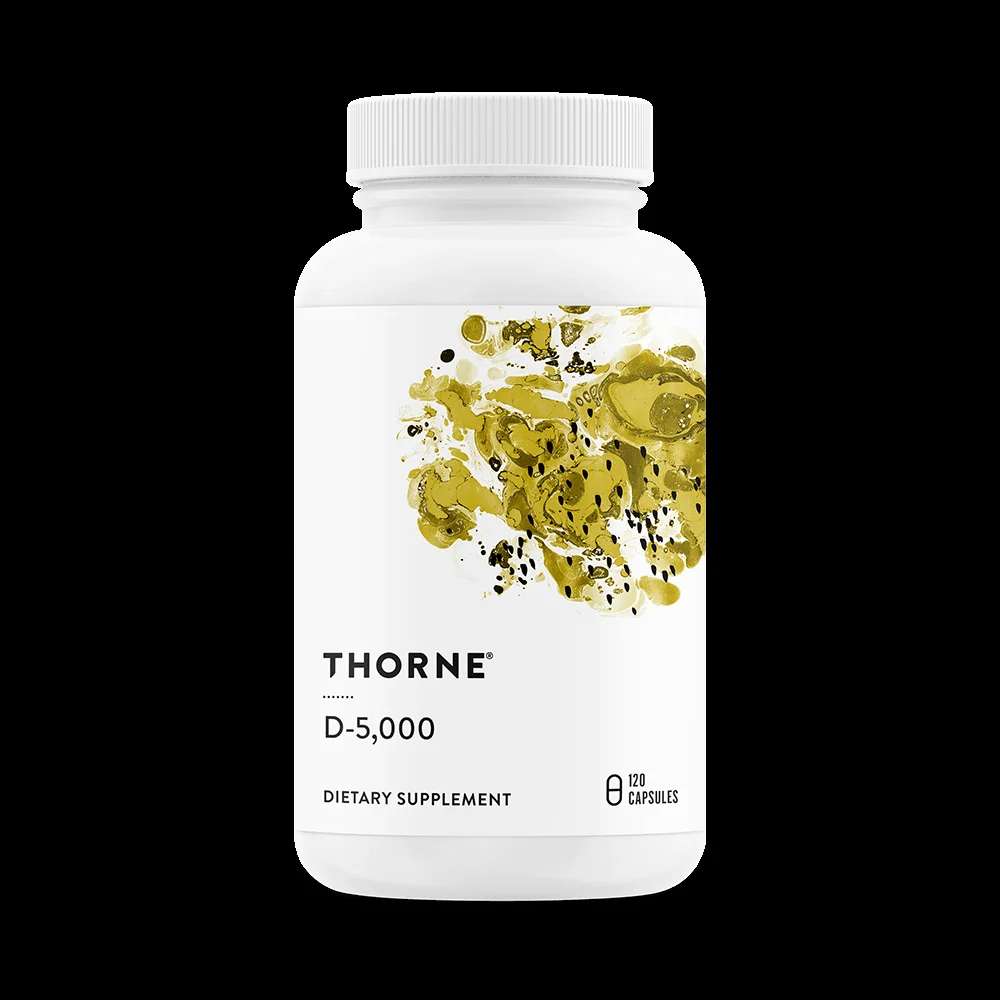
Vitamins A, D, E, and K dissolve in fat, not water. If you take them on an empty stomach, a significant portion passes through unabsorbed.
That means if you’re taking your vitamin D with a black coffee and nothing else, you’re absorbing roughly half of what you’re paying for. Take it with eggs, avocado toast, a handful of nuts — anything with fat. This applies to omega-3 capsules and CoQ10 as well.
Rule 2: Some Minerals Block Each Other
Certain minerals use the same transport channels in your gut, and when they arrive at the same time, they compete for entry. These are the conflicts that actually matter:
Rule 3: Some Combinations Are Synergistic
The flip side of mineral competition: certain pairings actually enhance each other. These are worth taking together deliberately:
The Daily Schedule
Here’s the practical template. Adapt it to your actual stack:
Morning Stack — Details
Before Breakfast (Empty Stomach)
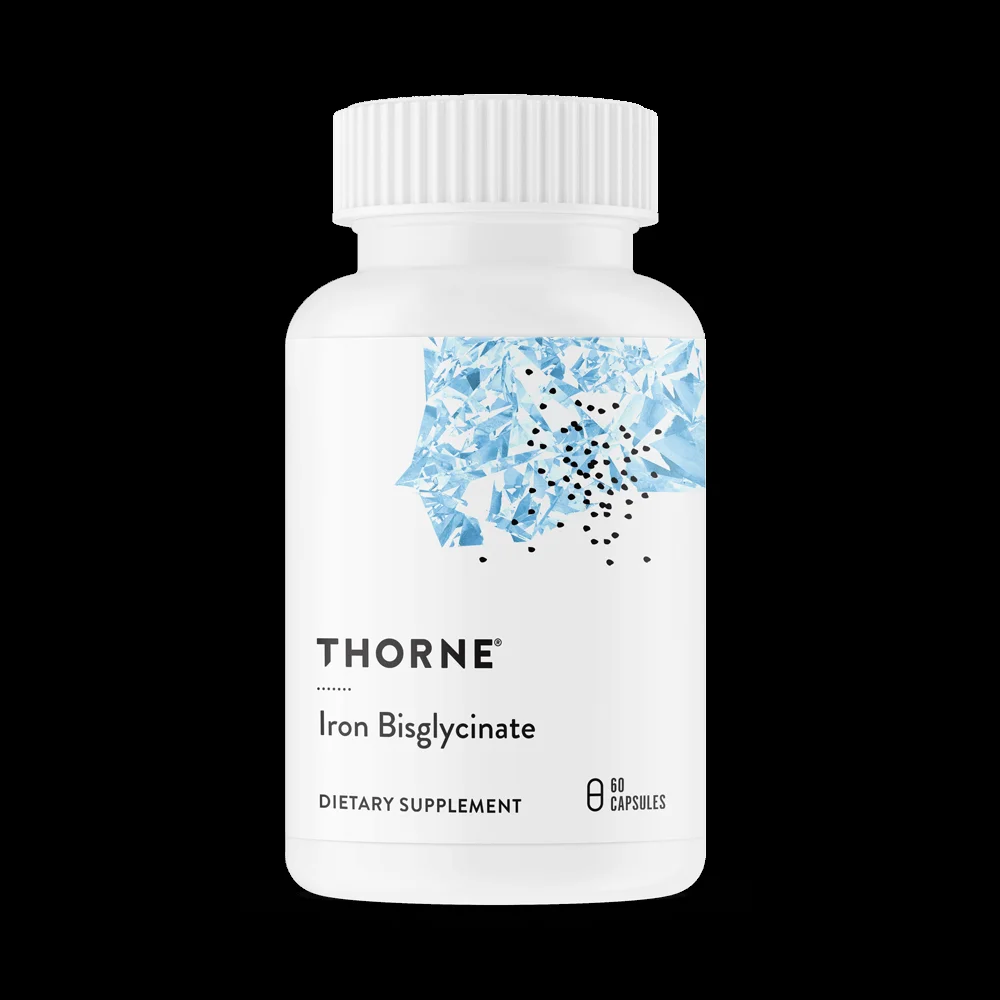
Iron absorbs best on an empty stomach. Take with a vitamin C source, then wait 30 minutes before coffee — tannins in coffee and tea reduce iron absorption by up to 60%. Yes, this is annoying. Yes, it matters if you’re actually iron-deficient.
With Breakfast
Everything fat-soluble goes here, plus anything mildly energizing:
- Vitamin D3 + K2 — take with a meal containing fat. Eggs, avocado, nuts, butter.
- Omega-3 / fish oil — fat-soluble. Taking it with food also reduces the fishy burps.
- CoQ10 (ubiquinol) — fat-soluble, and some people find it mildly energizing.
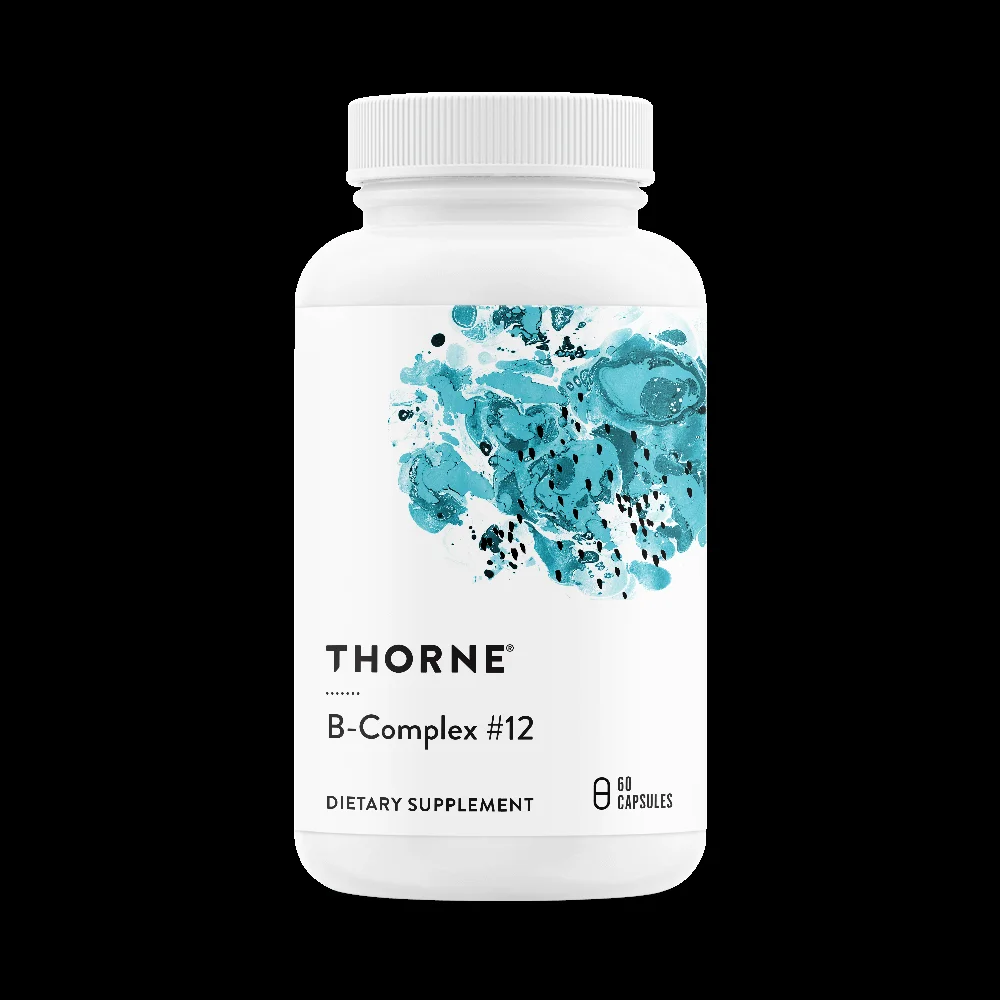
- B-complex / B12 — B vitamins can be mildly stimulating. Taking B12 at night interferes with sleep for some people.

Evening Stack — Details
Evening is for anything calming, anything that competes with your morning minerals, and anything that supports sleep architecture:
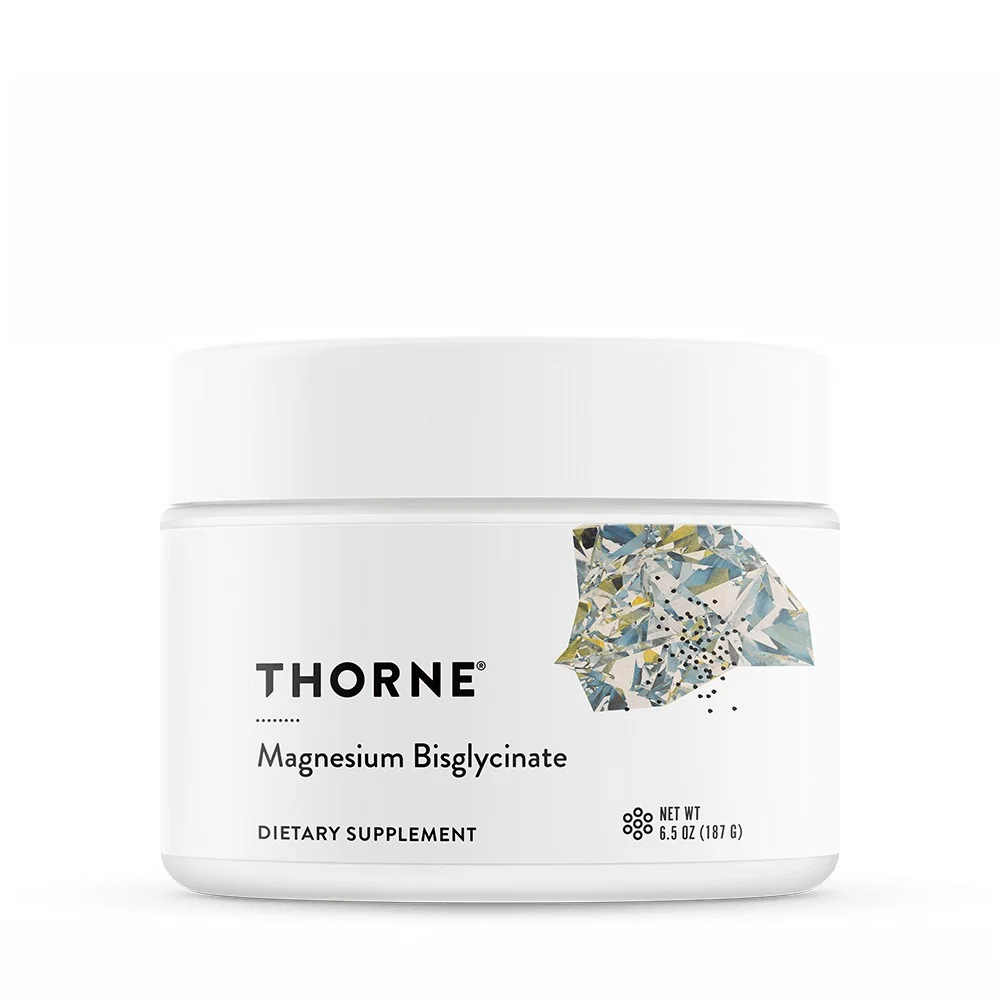
- Magnesium glycinate — the MVP of evening supplementation. Activates the parasympathetic nervous system, regulates GABA, and the glycine component has its own sleep-promoting effects. 200–400mg about 30–60 minutes before bed.
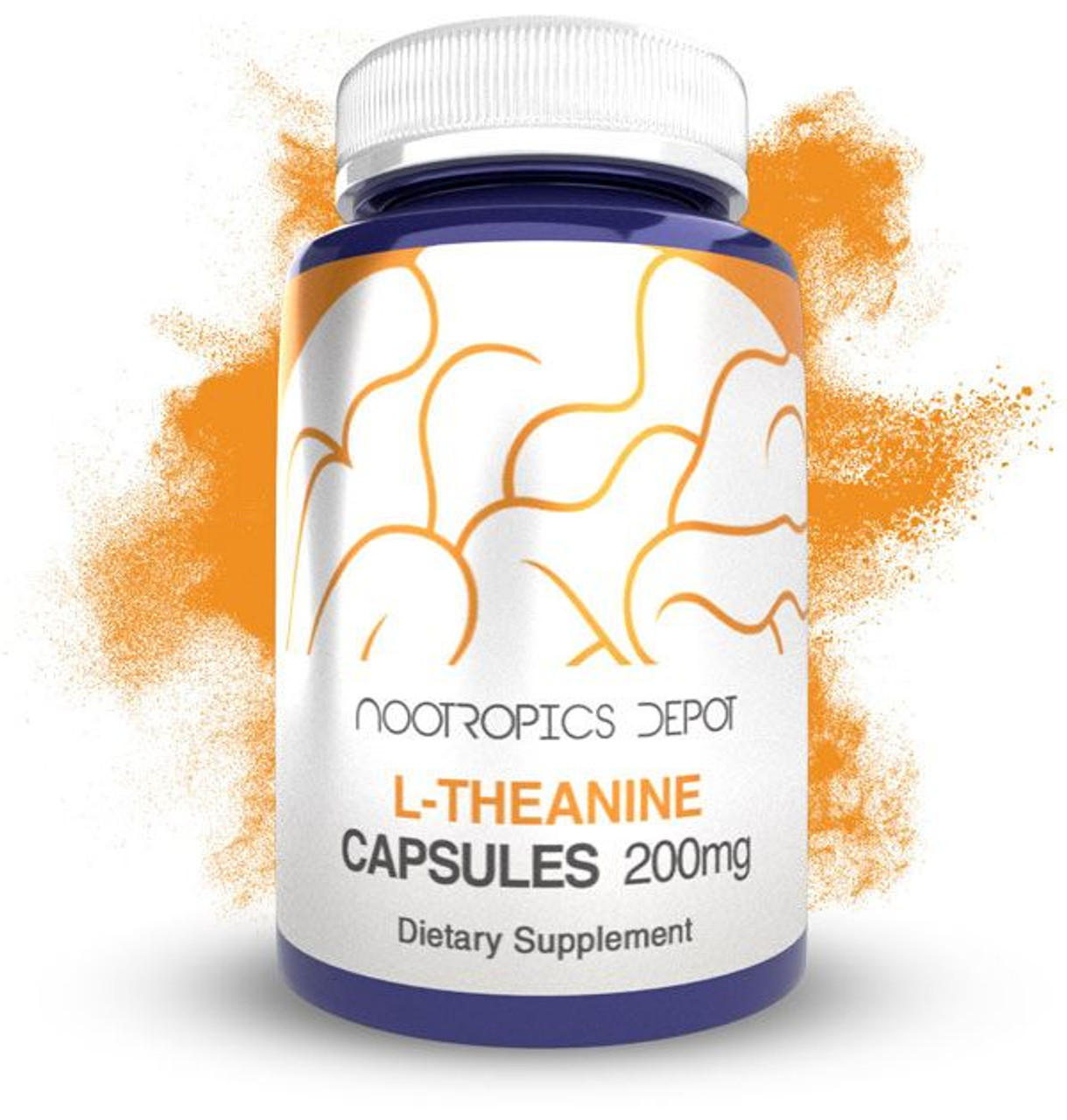
- L-theanine — promotes alpha brain wave activity. 200mg before bed helps you wind down without making you drowsy. Works well stacked with magnesium.
- Glycine — 3g before bed improves subjective sleep quality. It lowers core body temperature slightly, triggering sleep onset.
- Calcium — if you take it, evening is ideal. Keeps it separated from morning iron.
Timing Around Medications
This is the category where “timing matters” stops being optimization and starts being genuinely important. Several common supplement-medication interactions are well-documented and clinically relevant. If you take any of the following, build your supplement schedule around them.
Timing Around Training
If you lift, do cardio, or compete, a handful of supplements have meaningfully different effects based on timing relative to the workout. Most of this is overhyped online, but a few items are real:
Creatine
The timing debate is mostly noise. Creatine works by saturating muscle stores over weeks; a single day’s timing changes almost nothing. That said, a 2013 study by Antonio and Ciccone in the Journal of the International Society of Sports Nutrition suggested a modest post-workout advantage when combined with carbs and protein. The effect size was small. Far more important: take it every day, including rest days. The saturation is what matters, not when you top it up.
Protein
The “anabolic window” has been quietly walked back by the research community over the last decade. A 2013 meta-analysis by Schoenfeld et al. in the Journal of the International Society of Sports Nutrition found that protein timing produced small effects on hypertrophy compared to total daily intake. Practical rule: get 20–40g of protein within two hours of training, and hit your daily target (1.6–2.2g/kg). Nailing the second matters far more than the first.
Caffeine + pre-workout
Caffeine peaks in plasma 30–60 minutes after ingestion. Take it closer to 45 minutes before the hardest portion of your session. Avoid it within 6–8 hours of your intended sleep time — caffeine’s half-life is 5–6 hours, so an afternoon pre-workout will blunt deep sleep that night even if you don’t feel wired at bedtime.
Beta-alanine
Like creatine, beta-alanine is a saturation supplement — daily dose matters, acute timing doesn’t. The tingling (paresthesia) from a single large dose is harmless but can be unpleasant. Split 3.2–6.4g across the day in 1.5–2g doses, preferably with meals, to minimize it.
Bioavailability vs Absorption — Why the Distinction Matters
A lot of supplement marketing conflates two different concepts:absorption (how much of the dose crosses your gut wall) and bioavailability (how much of the absorbed dose reaches systemic circulation in an active form). They’re related but not interchangeable.
Curcumin is the canonical example. Plain curcumin is absorbed at roughly 1–2% of the oral dose because it’s heavily metabolized in the gut wall and liver before it reaches the bloodstream. Piperine-boosted curcumin raises absorption by inhibiting that first-pass metabolism. Lipid delivery systems (Meriva, Longvida, Theracurmin) work by a different mechanism — they change how curcumin is packaged into chylomicrons, improving both absorption and bioavailability. “High-absorption” claims on a label are meaningless without knowing the mechanism.
Similar distinctions matter for B12 (methylcobalamin vs cyanocobalamin), folate (L-methylfolate vs folic acid), magnesium (glycinate vs oxide), and iron (bisglycinate vs sulfate). In each case, the “better” form costs more because it either absorbs better, reaches tissues more effectively, or causes fewer GI side effects. Timing won’t fix a poor-form supplement.
The 5 Most Common Timing Mistakes
FAQ
Can I take all my supplements with dinner instead of breakfast?
For most supplements, yes. Fat-soluble vitamins work with any fat-containing meal. The main exception is B vitamins (potentially stimulating at night) and iron (better on an emptier stomach).
Does it matter if I take supplements with hot vs cold liquid?
No. Capsules dissolve in your stomach regardless. Probiotics are an exception — some strains are heat-sensitive, so don’t mix them into hot coffee.
What if I forget my morning supplements?
Just take your normal dose whenever you remember. Don’t double up — especially on iron, zinc, or fat-soluble vitamins. Resume your normal schedule the next day. Creatine is the exception — it accumulates over time, so one missed dose is genuinely irrelevant.
Does calcium in food block iron the same way?
Yes. It’s the calcium itself, not the pill form. A cup of kefir or yogurt contains 300–400mg calcium — enough to reduce iron uptake by 50–60%. If your morning includes dairy, take iron 30–60 minutes before, or shift iron to a different time of day.
Does it really matter when I take my supplements?
For some, yes. Fat-soluble vitamins (D, E, K, A) require dietary fat for absorption. Iron is best on an empty stomach away from calcium. Magnesium glycinate is better tolerated at night. For most water-soluble vitamins and creatine, timing barely matters — consistency does.
Should I take creatine before or after training?
Neither specifically. Creatine works by saturating muscle stores over weeks; a single day's timing barely moves the needle. Take 3–5g daily at any consistent time. Some research suggests a modest post-workout edge when combined with carbs, but the effect is small compared to just taking it every day.
Is there a supplement I should never take at night?
Anything with caffeine, high-dose B vitamins (especially B12), and green tea extract can disrupt sleep if taken after early afternoon. Saffron, ashwagandha, and magnesium are all safer evening choices. If you take a multivitamin with B-complex, move it to morning.
Can I take vitamin D and magnesium together?
Yes — taking vitamin D and magnesium together is actively beneficial. Magnesium is a required cofactor for the enzymes that convert vitamin D into its active form; without adequate magnesium, supplemental vitamin D may be less effective. The guide already recommends vitamin D with breakfast (with fat) and magnesium in the evening, but if you prefer to take both at the same meal, there's no conflict. Just keep the fat requirement for vitamin D in mind.
What supplements should I avoid while pregnant?
The guide doesn't cover this directly — it mentions pregnancy only briefly in the context of caffeine metabolism. Supplement safety during pregnancy is a clinical question, not a timing question: high-dose vitamin A, for example, carries known teratogenic risk, and folate form (L-methylfolate vs. folic acid) matters in ways the guide doesn't address. Consult your OB or midwife before adding or continuing any supplement during pregnancy.
When should I take ashwagandha — morning or night?
The guide doesn't cover ashwagandha or adaptogens. As a general principle from the guide's framework: supplements with calming or cortisol-modulating effects would logically fit the evening stack alongside magnesium and L-theanine, while those taken for energy or focus fit the morning stack. That said, the guide explicitly cautions against applying generic timing logic to supplements it hasn't reviewed. Consult product research or a healthcare provider for ashwagandha-specific timing.
Does long-term zinc supplementation deplete copper — should I take copper alongside it?
The guide notes zinc-copper competition in passing but doesn't detail the clinical risk. This gap matters: long-term zinc supplementation can induce copper deficiency, potentially causing anemia and neurological symptoms, because zinc upregulates a protein that traps copper in gut cells. If you take zinc regularly, this is worth discussing with a healthcare provider, who can assess whether copper co-supplementation or periodic monitoring is appropriate for your dose and duration.
When should I take probiotics?
The guide mentions probiotics only briefly — noting heat-sensitive strains shouldn't be mixed into hot liquids. It doesn't address meal timing or antibiotic spacing. General evidence suggests taking probiotics with or just before a meal reduces exposure to stomach acid, improving survival. If you're taking antibiotics, spacing probiotics several hours from each dose is commonly recommended. For specific protocols, check the probiotic product's strain-level research or consult a pharmacist.
What supplements interact with blood pressure medications?
The guide flags medication interactions as genuinely important — more so than general timing optimization — but doesn't list specifics for antihypertensives. It explicitly recommends a conversation with your pharmacist over any online timing guide when you're on chronic medications. That advice applies here: supplements like magnesium, fish oil, CoQ10, and potassium all have potential interactions with blood pressure drugs that require individualized review, not generic guidance.
How much fat do I need to absorb fat-soluble vitamins effectively?
The guide says to take fat-soluble vitamins (A, D, E, K) and CoQ10 with a fat-containing meal but doesn't specify a minimum amount. It cites a 2015 study showing vitamin D absorption increased up to 50% with a fat-containing meal versus fasted, and gives practical examples — eggs, avocado, nuts, butter. The guide doesn't state a gram threshold. If you eat a very low-fat breakfast, prioritize any of those fat sources; the guide's core point is that zero fat meaningfully reduces absorption.
Supplement Timing for Intermittent Fasting (IF) Protocols
Knowing when to take supplements while intermittent fasting matters more than it does on a standard eating schedule. A 16:8 protocol (eating noon–8pm) eliminates the morning meal that most timing advice is built around. That means your fat-soluble vitamins, mineral pairings, and calming evening stack all need to be reshuffled into a compressed window — or carefully selected for fasted-state use.
What You Can Take Fasted (During the Morning Fast)
Water-soluble supplements that don't require fat or food for absorption are generally fine on an empty stomach. This includes B-complex vitamins (which you'd want in the morning anyway for their mild stimulating effect), vitamin C, L-tyrosine, and caffeine. Creatine dissolves in water and doesn't need food — take it whenever you'll remember.
Iron actually benefits from a fasted state, since food reduces its absorption. If you're supplementing iron (with documented deficiency), the fasting window is ideal. Pair it with vitamin C and wait 30 minutes before coffee.
Restructuring Your Stack for 16:8
Move your entire fat-soluble stack to your first meal (noon, or whenever you break fast). That's your D3+K2, fish oil, CoQ10, and any fat-soluble nootropics. Eat something with actual fat — not just a protein shake.
Your evening stack stays largely unchanged. Magnesium glycinate, L-theanine, and glycine don't require food and work well taken 30–60 minutes before bed, even outside the eating window. Calcium, if you take it, fits best with your last meal.
The real risk with intermittent fasting isn't poor timing — it's cramming everything into one meal. Mineral competition (calcium vs. iron, zinc vs. calcium) still applies. Moderate evidence Separate competing minerals by at least two hours within your eating window, or assign them to different meals.
First meal (noon): D3+K2, omega-3, CoQ10 — all with fat-containing food. Zinc if you take it.
Last meal (~7–8pm): Calcium (separated from iron/zinc by hours).
Before bed: Magnesium glycinate, L-theanine, glycine.
The Recommended Forms Reference Table
The bioavailability section above raises a critical question it doesn't fully answer: which recommended forms of supplements should you actually buy? Below is a scannable reference covering the six supplements most affected by form choice. This isn't exhaustive — it's the short list where form meaningfully changes what you absorb.
| Supplement | Preferred Form | Why | When the Cheaper Form Is Fine |
|---|---|---|---|
| Magnesium | Glycinate (bisglycinate) | Superior absorption, minimal GI distress, glycine itself supports sleep | Magnesium oxide is acceptable if you need a laxative effect or can't afford glycinate — you'll just absorb roughly 4% vs ~24% (Firoz & Graber, 2001) |
| Vitamin B12 | Methylcobalamin | Already in its active coenzyme form — no conversion step required | Cyanocobalamin is fine for most people. It's more shelf-stable, cheaper, and converts readily unless you have MTHFR polymorphisms or impaired methylation |
| Folate | L-methylfolate (5-MTHF) | Bypasses MTHFR enzyme entirely — roughly 40–60% of people carry variants reducing folic acid conversion (Wilcken et al., 2003) | Folic acid is acceptable if you've confirmed normal MTHFR status or are taking standard prenatal doses under provider guidance |
| Iron | Iron bisglycinate (Ferrochel) | Comparable absorption to ferrous sulfate at lower doses, with significantly fewer GI side effects (Milman et al., 2014) | Ferrous sulfate remains the clinical standard when cost is a barrier or deficiency is severe — pair with vitamin C and tolerate the gut complaints |
| Curcumin | Lipid-formulated (Meriva, Longvida, or Theracurmin) | Plasma bioavailability 29–185x higher than standard curcumin depending on formulation (Jamwal, 2018) | Standard curcumin + piperine (BioPerine) is the budget option — piperine boosts bioavailability ~2,000% (Shoba et al., 1998), though that's still far less than lipid systems |
| Vitamin D | D3 (cholecalciferol) | Raises and sustains serum 25(OH)D more effectively than D2 — a meta-analysis by Tripkovic et al. (2012) confirmed D3's superiority | D2 (ergocalciferol) works if you need a vegan source, but you may need higher or more frequent dosing to maintain equivalent levels |
Supplement Timing When You're On Medications: The Non-Negotiable Interactions
Supplement timing when you're on medications isn't about optimization — it's about whether your drug works or whether you end up in the ER. The interactions below are well-documented and clinically significant. If you're on any of these medications, these spacing rules are non-negotiable.
Levothyroxine + Calcium, Iron, or Magnesium
Calcium, iron, and magnesium all form insoluble complexes with levothyroxine in your gut, dramatically reducing absorption. A study by Singh et al. (2000) in The American Journal of Medicine showed calcium carbonate reduced levothyroxine absorption enough to cause clinical hypothyroidism in previously stable patients. Spacing rule: take levothyroxine on an empty stomach, then wait at least 4 hours before calcium, iron, or magnesium. Many endocrinologists recommend taking levothyroxine immediately upon waking, then delaying all supplements until lunch or later. Strong evidence
Warfarin + Vitamin K
This isn't a timing issue — it's a consistency issue. Vitamin K directly opposes warfarin's mechanism (inhibiting vitamin K-dependent clotting factors). Sudden increases in vitamin K intake — from supplements or from dramatically increasing leafy green consumption — can destabilize your INR and raise clotting risk. Rule: don't start, stop, or change the dose of any vitamin K supplement without telling your prescriber. If you already take a stable daily dose of K2 for bone health, your warfarin dose was likely calibrated around it. Changing either without medical oversight is dangerous. Strong evidence
SSRIs/SNRIs + 5-HTP or St. John's Wort
5-HTP is a direct serotonin precursor. Combining it with SSRIs, SNRIs, or MAOIs risks serotonin syndrome — a potentially fatal condition involving agitation, hyperthermia, and neuromuscular instability (Boyer & Shannon, 2005). Rule: no timing window makes this safe. Do not combine 5-HTP or St. John's Wort with serotonergic medications without explicit approval from your prescriber. St. John's Wort also induces CYP3A4 enzymes, reducing the effectiveness of dozens of drugs including oral contraceptives and immunosuppressants. Strong evidence
Statins + CoQ10
Statins inhibit HMG-CoA reductase, which sits upstream of both cholesterol and CoQ10 synthesis. Evidence suggests statins can reduce plasma CoQ10 levels by 16–54% (Littarru & Langsjoen, 2007). Many statin users supplement CoQ10 to address muscle-related side effects, though trial results on myalgia are mixed. Timing rule: take CoQ10 (ubiquinol form preferred) with a fat-containing meal. No specific separation from the statin is needed — they don't compete for absorption. Moderate evidence
Metformin + Vitamin B12
Long-term metformin use impairs B12 absorption by interfering with the calcium-dependent B12-intrinsic factor complex in the ileum. A landmark trial by de Jager et al. (2010) in the BMJ found that metformin users had a 19% reduction in B12 levels over 4.3 years. Rule: if you've been on metformin for more than a year, get your B12 levels tested. Supplementing with methylcobalamin is reasonable, and taking it at a separate meal from metformin — ideally 2+ hours apart — may modestly improve uptake, though the evidence on spacing specifically is limited. Moderate evidence
Blood Pressure Medications + Potassium or Magnesium
ACE inhibitors and potassium-sparing diuretics (like spironolactone) already raise serum potassium. Adding supplemental potassium on top risks hyperkalemia — a cardiac emergency. Rule: do not supplement potassium if you're on ACE inhibitors, ARBs, or potassium-sparing diuretics without lab monitoring. Magnesium supplements can also potentiate the blood pressure-lowering effect of antihypertensives, so start low and monitor. Strong evidence
Antibiotics (Tetracyclines/Fluoroquinolones) + Minerals
Calcium, magnesium, iron, and zinc all chelate tetracycline-class and fluoroquinolone antibiotics, rendering them ineffective. This is one of the most clinically consequential supplement-drug interactions and one of the most commonly ignored. Rule: separate these minerals from ciprofloxacin, doxycycline, or similar antibiotics by at least 2 hours before or 6 hours after the antibiotic dose. When in doubt, skip the mineral supplement entirely for the duration of the course. Strong evidence
Individual Variation: Why Your Timing May Differ (Genetics, Age, Health Status)
Individual variation in supplement timing isn't a minor footnote — it's the reason universal schedules fail for a significant chunk of people. Your genetics, age, medication use, and health status can shift the "right" time to take something by hours, or change whether a standard form even works for you at all.
Caffeine Metabolism: CYP1A2 and Your Cutoff Time
The CYP1A2 gene determines how quickly you clear caffeine. About 50% of people carry the "slow metabolizer" variant (Sachse et al., 1999), meaning caffeine's half-life can stretch to 9+ hours instead of the typical 5–6. Strong evidence If you follow this guide's advice to cut caffeine 6–8 hours before bed and still sleep poorly, slow CYP1A2 metabolism is the likely culprit. Oral contraceptives and pregnancy further slow clearance — sometimes doubling the half-life. Adjust your pre-workout timing accordingly, or switch to a non-stimulant stack.
MTHFR and Folate Form
Roughly 10–15% of certain populations are homozygous for the MTHFR C677T variant, substantially reducing their ability to convert folic acid to its active form, L-methylfolate (Weisberg et al., 1998). Moderate evidence For these individuals, timing folic acid perfectly is beside the point — the form matters more. If you've been supplementing folic acid without results, an active folate (5-MTHF) may be worth discussing with your provider.
Older Adults: Gastric Acid and B12
By age 60, an estimated 10–30% of adults have significantly reduced stomach acid production (atrophic gastritis), which impairs liberation of protein-bound B12 from food and standard supplements (Allen, 2009). Strong evidence Sublingual methylcobalamin or high-dose oral cyanocobalamin (1,000 mcg+) can bypass this bottleneck. Timing B12 with meals won't help much if your stomach acid isn't doing its job in the first place.
Pregnancy: When Standard Rules Don't Apply
The common thread across all of these: if the "standard" timing protocol isn't producing results — or is producing side effects — your biology may be the variable, not your discipline. Genetic testing for CYP1A2 and MTHFR is inexpensive and increasingly accessible, and a conversation with your pharmacist about age-related absorption changes takes ten minutes.
Quick-Reference Table: With Food vs. Empty Stomach vs. Either
Knowing whether to take supplements with food or on an empty stomach is the single most common timing question — and the answer varies by supplement. This table consolidates everything covered across the guide into one scannable reference. If a supplement appears in the "with food" column, it means absorption or tolerability meaningfully improves with a meal. "Empty stomach" means food actively interferes with uptake. "Either" means timing relative to meals doesn't materially change outcomes.
| Supplement | With Food | Empty Stomach | Either | Notes |
|---|---|---|---|---|
| Vitamin D3 | ✔ | Requires dietary fat — absorption drops ~50% without it | ||
| Vitamin K2 | ✔ | Fat-soluble; pair with D3 and a fat source | ||
| Vitamin A | ✔ | Fat-soluble | ||
| Vitamin E | ✔ | Fat-soluble | ||
| Omega-3 / Fish Oil | ✔ | Fat-soluble; food also reduces fishy burps | ||
| CoQ10 (Ubiquinol) | ✔ | Fat-soluble; mildly energizing — take with breakfast | ||
| Curcumin | ✔ | Lipid-formulated or taken with fat and piperine | ||
| Iron | ✔ | Food reduces absorption; pair with vitamin C, avoid coffee/dairy for 30+ min | ||
| L-Tyrosine | ✔ | Competes with other amino acids for uptake when taken with protein | ||
| B-Complex / B12 | ✔ | Take in the morning — can disrupt sleep if taken late | ||
| Vitamin C | ✔ | Water-soluble; useful paired with iron on an empty stomach | ||
| Magnesium Glycinate | ✔ | Best taken in the evening for sleep support; food not required | ||
| Calcium | ✔ | Evening preferred to avoid competing with morning iron/zinc | ||
| Zinc | ✔ | Can cause nausea on an empty stomach; separate from iron and calcium | ||
| Creatine | ✔ | Saturation supplement — daily consistency matters, meal timing doesn't | ||
| Beta-Alanine | ✔ | Taking with meals reduces paresthesia (tingling) | ||
| L-Theanine | ✔ | Works well before bed, no food requirement | ||
| Glycine | ✔ | 3g before bed; no food dependency | ||
| Caffeine | ✔ | Peaks in 30–60 min; avoid within 6–8 hours of sleep | ||
| Probiotics | ✔ | With or just before a meal to reduce stomach acid exposure |
Iron Supplementation: Every-Other-Day Dosing and GI Tolerability
Every-other-day iron dosing may sound like a compliance shortcut, but it's backed by solid physiology. When you take iron, your body produces hepcidin — a hormone that blocks further iron absorption for roughly 24 hours. A landmark study by Stoffel et al. (2017) in The Lancet Haematology showed that women absorbing iron from a morning dose had elevated hepcidin that significantly reduced absorption from a second dose taken later the same day or even the next morning. Fractional absorption from the alternate-day protocol was roughly 40% higher than from consecutive-day dosing. Moderate evidence
This means taking iron every other day may actually deliver more usable iron to your bloodstream than daily dosing — while cutting GI side effects (nausea, constipation, cramping) in half simply because you're halving the number of doses. If daily iron makes you miserable enough to quit, every-other-day dosing isn't a compromise. It's the better protocol.
When GI Tolerability Should Override Empty-Stomach Advice
The standard recommendation — take iron fasted for peak absorption — is technically correct. But absorption drops only about 40–50% when iron is taken with a small amount of food, while nausea drops dramatically. If empty-stomach iron sends you reaching for the nearest trash can, taking it with a light snack (a few crackers, a banana) is vastly preferable to not taking it at all. Avoid dairy and coffee at that meal — calcium and tannins are the real absorption killers, not food in general.
The Practical Decision Framework
If you're clinically deficient and your provider wants aggressive repletion, ferrous sulfate on an empty stomach daily may be necessary despite the GI cost. Tolerate it for the 8–12 weeks needed to rebuild stores. If you're maintaining levels or mildly low, every-other-day bisglycinate with a small amount of food is the protocol most likely to survive contact with your actual life. The dose you take consistently for three months beats the "optimal" dose you abandon after two weeks.
Who Should Talk to a Doctor First
Most supplement timing advice in this guide assumes a healthy adult with no chronic conditions and no prescription medications. If any of the following apply to you, get clinical input before building or changing your stack.
None of the above is medical advice. Bring your full supplement list — including what you're considering — to your next provider visit.
The Bottom Line
Three rules matter: take fat-soluble vitamins with fat, separate competing minerals (especially calcium and iron), and put calming supplements in the evening. Everything else is marginal optimization. Don’t let perfect timing become the enemy of actually taking your supplements daily.
Supplements that support this
See full scores in Formulate
Every product scored 50–100 against clinical research. Compare brands, check dose safety, and build your stack — free, no account required.
Read next
Best Time to Take Magnesium: The Timing Science (2026)
Morning, evening, or with food — when you take magnesium matters more than you think. Form-specific timing rules backed by clinical research.
How to Build a Supplement Stack (2026) — Evidence-Based
Skip the influencer hauls. Learn a step-by-step, evidence-based method to build a supplement stack that fits your goals — without wasting money.
Do You Need a Multivitamin? Clinical Evidence 2026
Most adults take multivitamins as nutritional insurance — but 700,000-person studies show near-zero mortality benefit. Learn when one helps and when to target instead.
Evidence-based supplement guides, no spam
We send a short digest when new guides drop — nothing else. No affiliate pushes, no sponsored content, unsubscribe anytime.